We think beyond the algorithm.
People aren't data points. They're messy, emotional, and complex.
That's why we work with real people.
We’ve spent over 50 years in the market research industry measuring and observing human behaviour. Enough time to know that too much of today's insights work is tidy, cautious, and designed to not offend or rock the boat and boardroom. The industry has automated itself into mediocrity.

That’s not how people work. It’s not how we work. And it’s not how strategic business decisions should be made.
We listen harder and push deeper to translate human complexity into clarity.

From chaos comes clarity.
Insight isn’t about the rote reporting of what people say, or what they think they are expected to say.
It’s about understanding what they mean. Everyone is a singular universe of complexity, contradictions, motivations, needs and desires.
Automation can’t understand or experience happiness, friendship, tension or fear. It can’t be empathetic because it doesn’t recognise the revelations and reveals that live in the pauses, the discomfort and the paradox of our lives.
That’s why we dig into the story, challenge the assumptions, and reveal true insights that can be turned into actions that work in the real world, not just the boardroom.
Understanding people. Empowering brands.
We bring clarity, context, wisdom, and seasoned insight to help brands make smarter, more empathy-grounded decisions



The wisdom behind our work.


Expertise & Reach.
Lived experience.
With decades of experience designing and delivering meaningful, custom research at every level—from global studies to hyper-local deep dives—we work across qualitative and quantitative methods, serving both consumer and business audiences. Below are some of the key sectors where we apply our expertise.
Beverage Alcohol & Cannabis

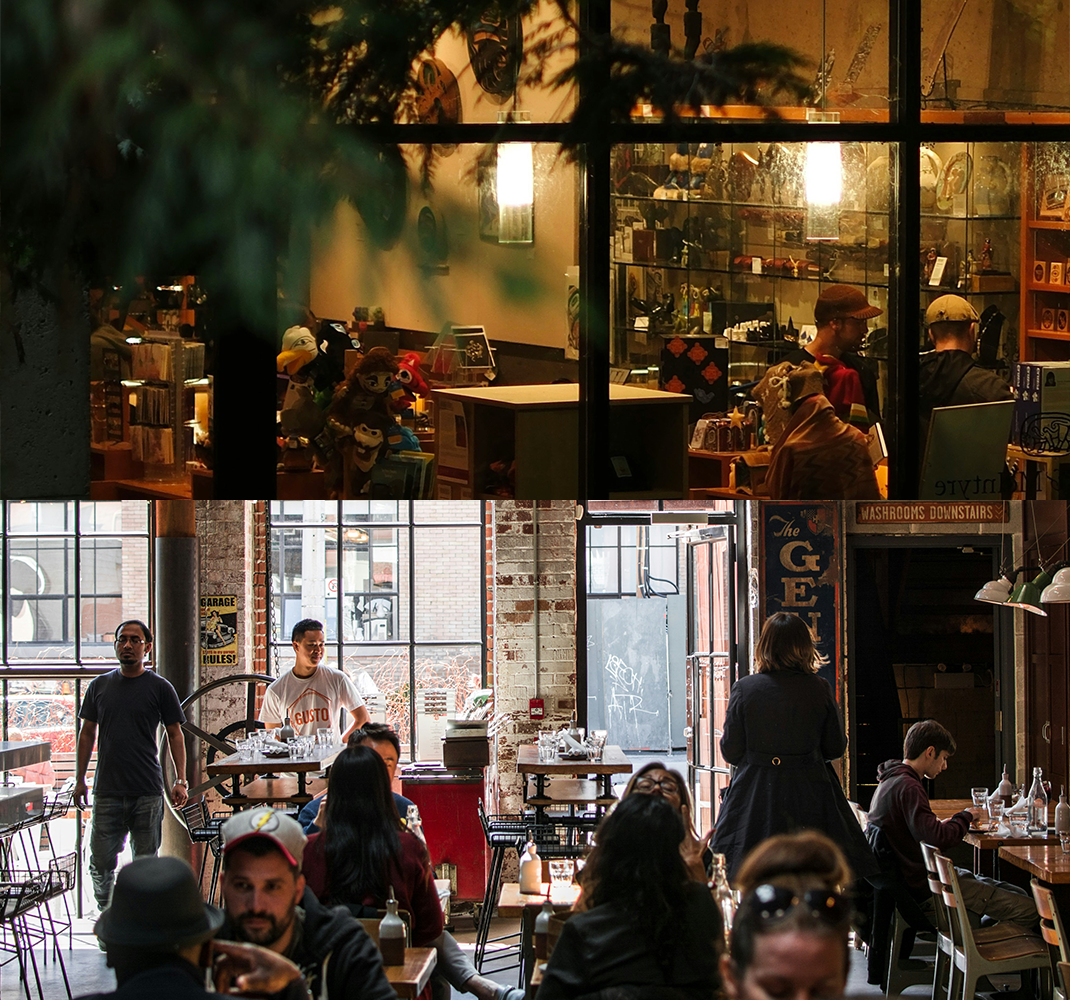
Retail & Restaurants
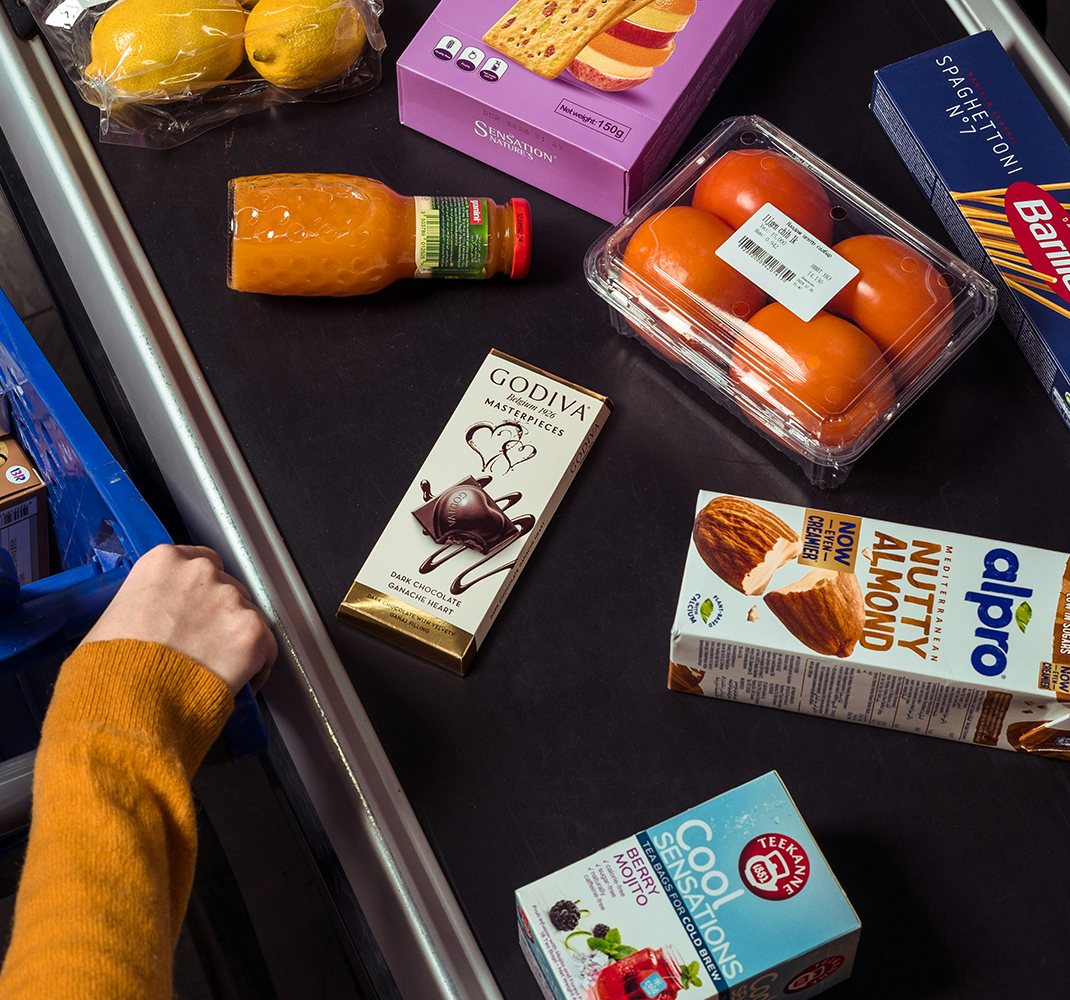
CPG
Travel & Transportation

B2B

Not-for-Profit & Charitable Organizations

Our services.
We decode and translate not what people say, but what they mean, and the implications for your business/organization.
Our guiding thought.
“The human mind is a loom that weaves disparate threads of belief, memory, and narrative into an entity whose common name is Self, and which sometimes calls itself Perception.”